Cohort 1 retrospective
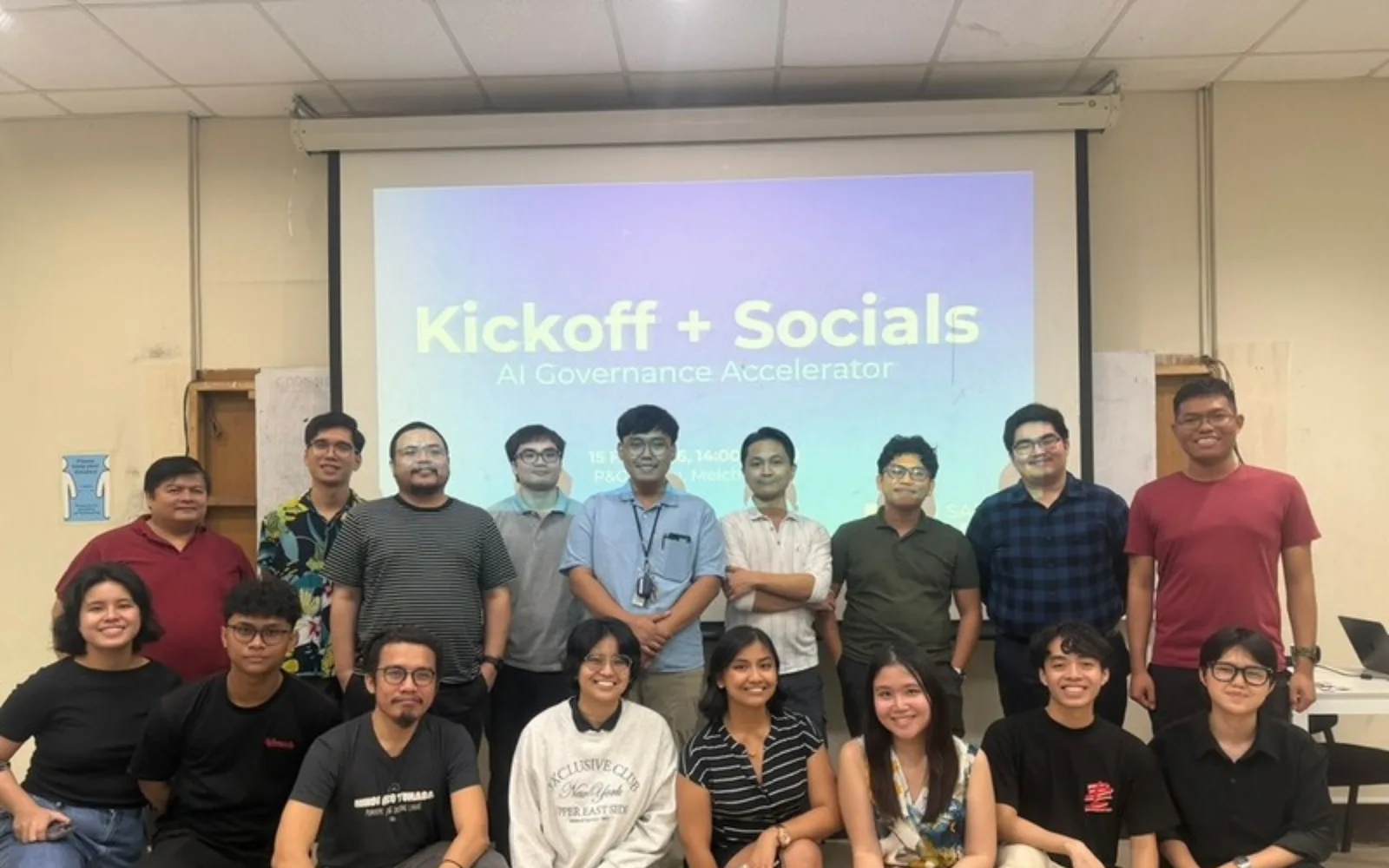
We ran this from 15 Feb 2026 to 24 May 2026. We focused on consumer state and middle power governance.
- fellows graduated from the Project Phase
- 9
- participants accepted, from 80+ applications
- 18
- projects from the Project Phase
- 8
- overall rating from fellows
- 4.6/5
Our reach
We selected participants based on critical thinking (from essay answers) and proof-of-work.
- 80+applications, with 1 week of word-of-mouth marketing
- 18participants accepted into the Training Phase
- 15graduated from the Training Phase
- 9of the 12 who entered the Project Phase graduated (75% retention rate)
Our ratings
The Project Phase
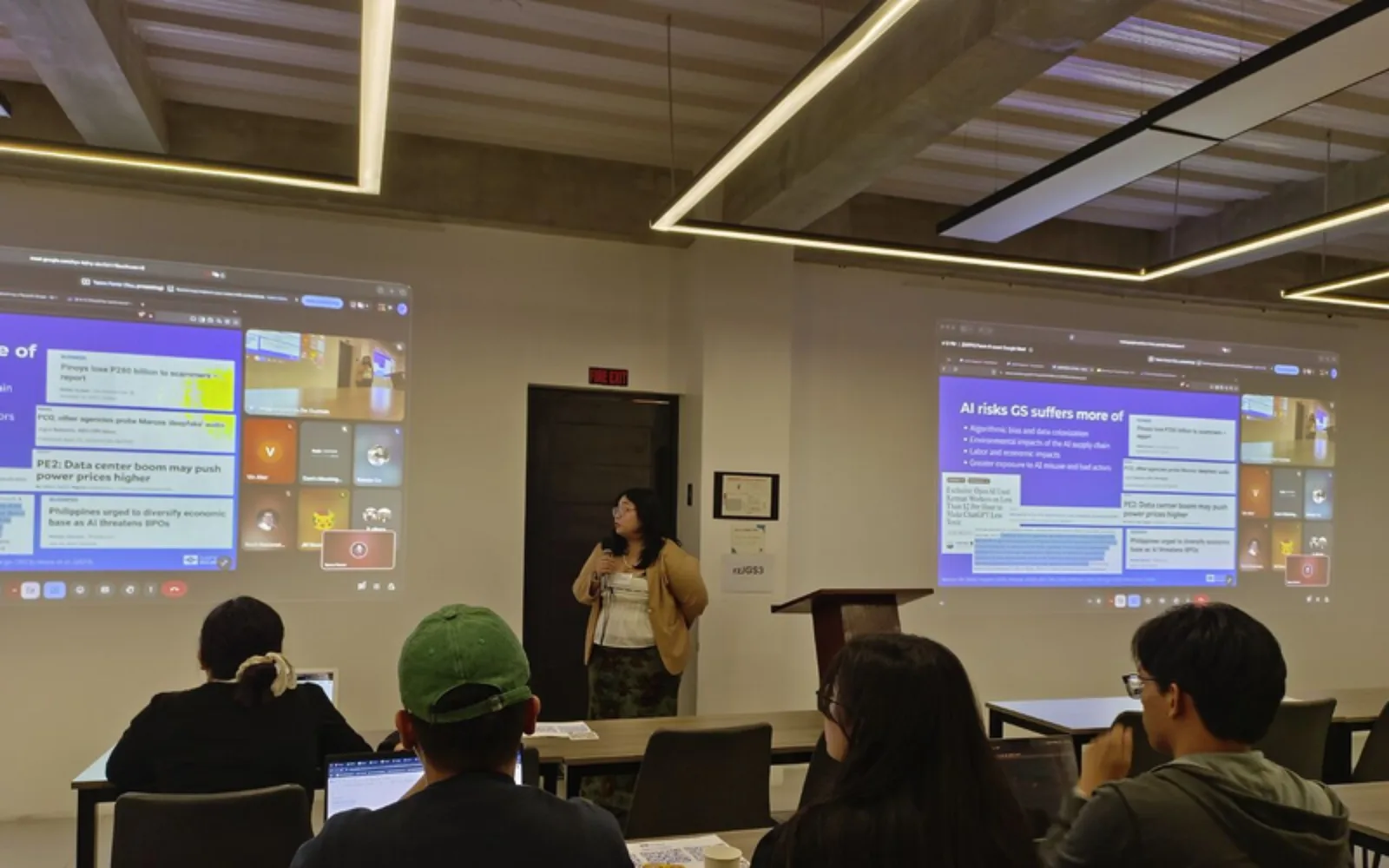
The goal was to make what the participants learned in the Training Phase to be immediately applicable in the Project Phase. The Project Phase yielded 8 projects, including:
- A dialogue among 20 BPO workers and the AI risks they face
- A framework for evaluating popular LLM answers on current political affairs
- 5 publications in news outlets (Inquirer, DataGuidance)
- A proposal for a regular AI safety column at Manila Bulletin TechNews and Inquirer
We partnered with AI Safety Asia, AI Standards Lab, and Sigla Research Center to make this happen.
Published by fellows
- Inquirer TechnologyAI legislation taking a wrong turn in the PhilippinesEdsel Tupaz and Yanro Ferrer
- Inquirer TechnologyWhere does the Philippines stand on AI regulation?Edsel Tupaz, Josh Huesca, and Regina Carla Bayongan
- Inquirer TechnologyAre our schools ready for AI?Edsel Tupaz and Josh Huesca
- Inquirer TechnologyDepEd OKs classroom AI, now we must build the safety controlJericho Roland Sueno
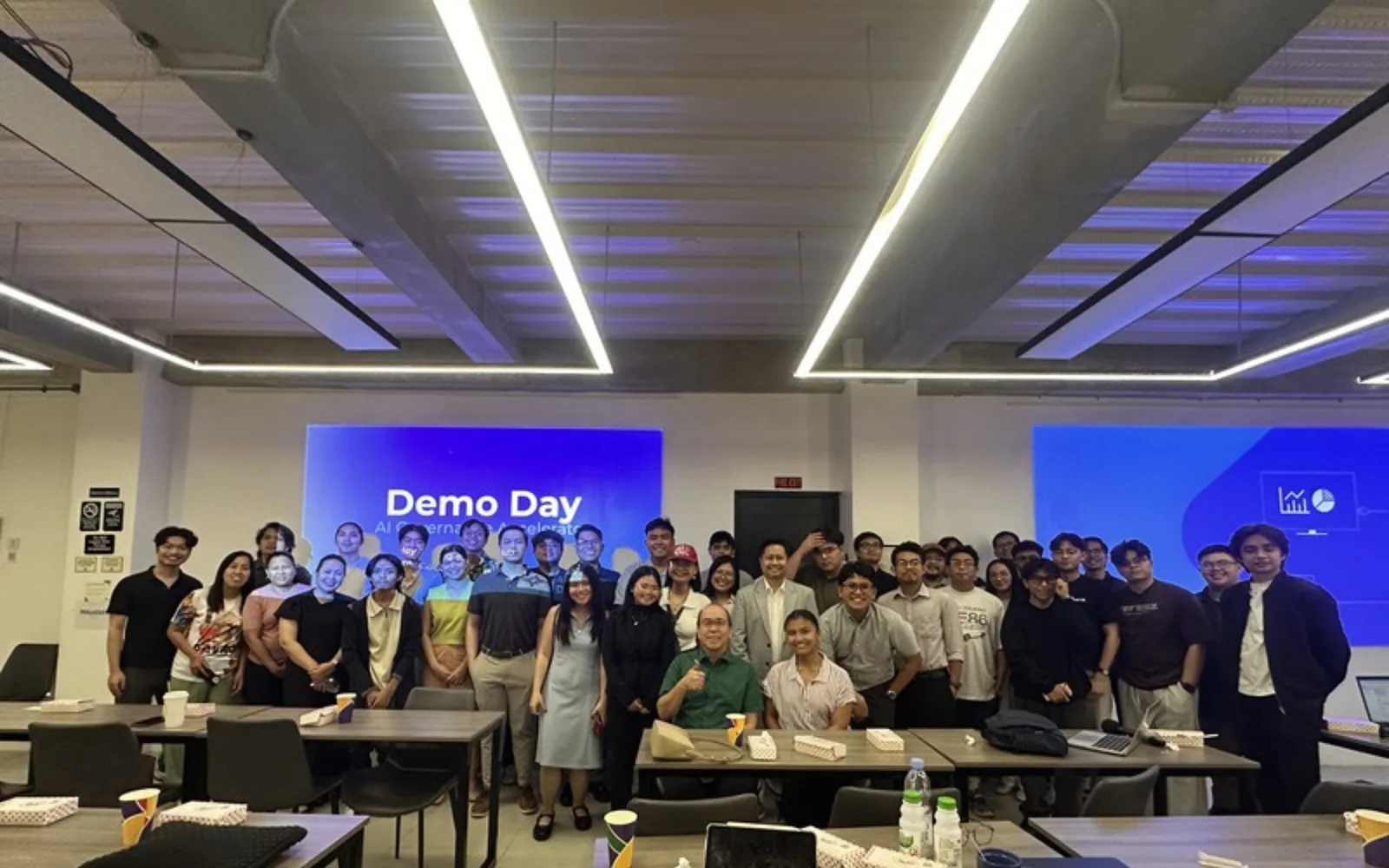
After Demo Day
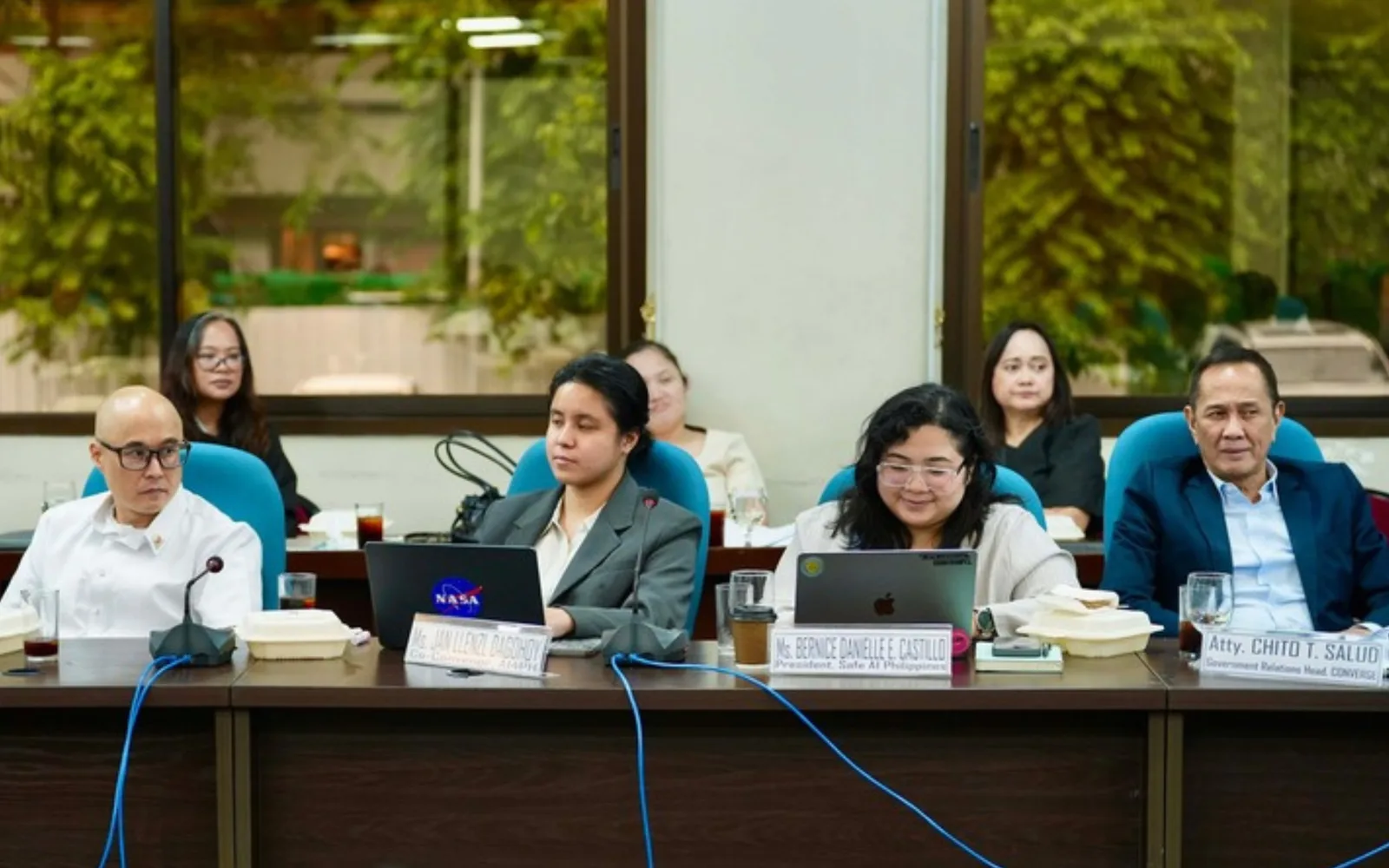
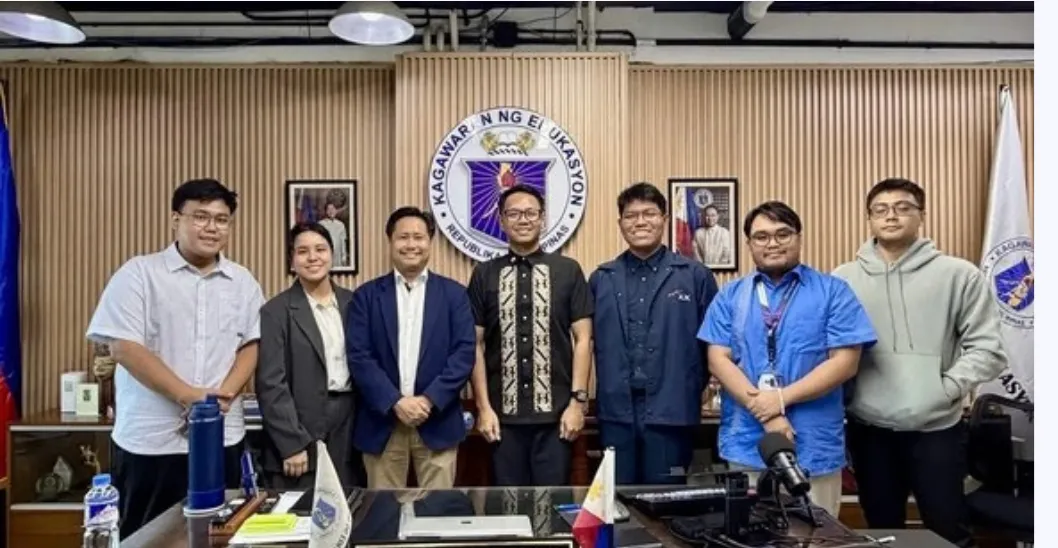
After the Accelerator's demo day, two fellows' projects drew interest from the Department of Education. We presented a proposal to require base-model disclosure in the DepEd AI Registry, established this year under DepEd Order 003, s. 2026. Fellows and Lenz Dagohoy later met with the Department's Assistant Secretary for Strategic Management to discuss implementation.
Legislative uptake: Cohort 1 fellow Yanro Ferrer's work is reflected in House Resolution No. 971, which directs the House to investigate national preparedness for systemic, economic, health, security, and catastrophic AI risks and to develop a national AI-risk governance framework.
What we learned
Upon a retrospective on our first cohort, some of what we learned include:
Realizing that mentorship was the most effective when mentors were aligned with the fellowship's pace and its AI safety focus. Additionally, time zones made some international pairings hard to sustain.
Understanding that the global framings of AI risk were not well-accepted with every fellow, which is why Cohort 2 was redesigned to have a sharper focus on the Philippine context.
Implementing Cohort 2 to run without mentors, with the fellows developing their ideas first and foremost. If we do manage to find aligned mentors, we plan to add a mentor-focused extension in 2027.
What fellows said
Joining was the right call. AI governance in the Philippines is so niche that I needed the context-specific discussions and network that the program gave me.
It shifted my perspective from just “how do we build these models better?” to “how are these models safely governed and integrated into our society?”
During our dialogue, getting to hear from actual people whose lives and livelihoods were affected by AI was eye-opening.
Joining was definitely the right call. It pushed me to move past just being interested in AI and actually start engaging with the hard questions of safety and governance.
The project phase gave me a stronger relationship with my cohort, more time to learn from Edsel, and a much clearer sense of how AI governance work happens in practice.
The cohort provided a specific community and vocabulary for AI governance that I wouldn't have gotten by merely reading materials about AI.